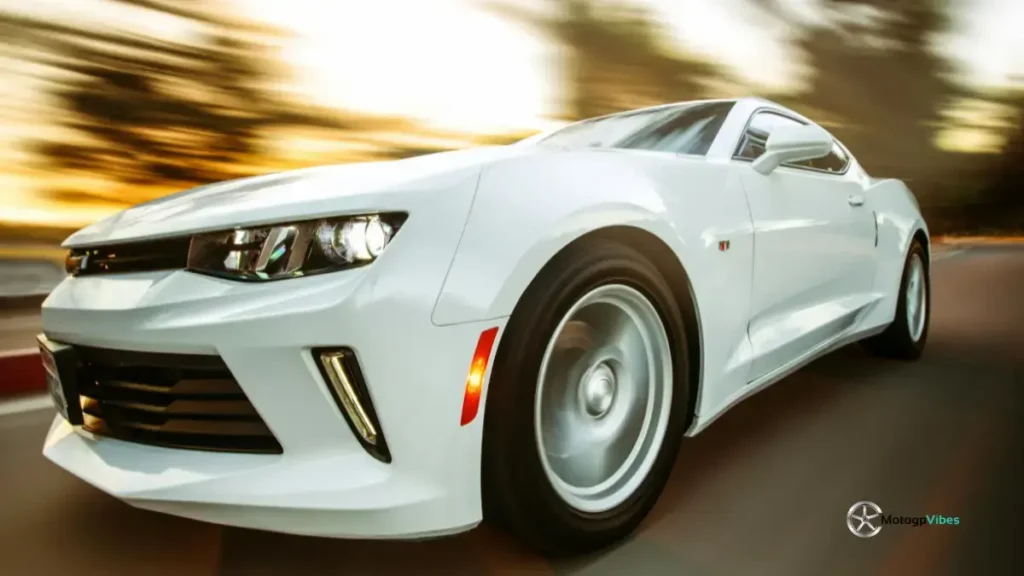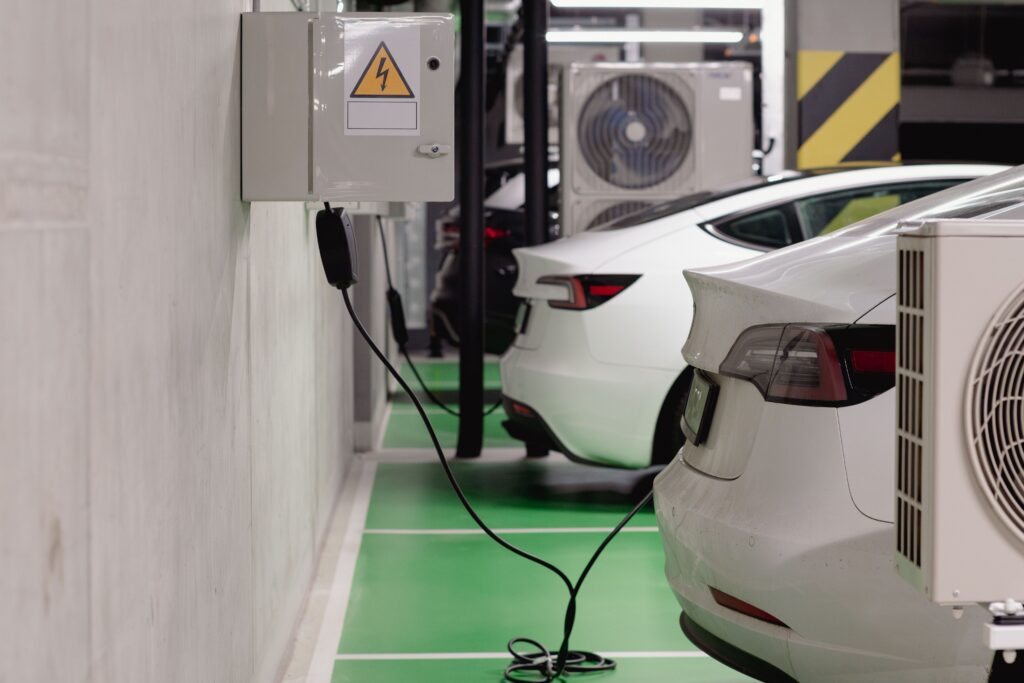

Battery Electric Vehicles (BEVs) replace petrol engines with high-efficiency electric motors for a purely electric driving experience. Plug-in charging systems supply energy to high-capacity onboard batteries, which drive the vehicle’s engine system. Depending on the specific EV types and models may use a single- or double-battery setup to achieve greater range and power. But how do Electric Cars Work? In this blog, learn how electric vehicle (EV) technology works and why EVs are the future of better transportation.
The Core Components of an Electric Vehicle
Electric vehicles use advanced battery packs and motors to deliver an eco-friendly driving experience. Because EV motor components produce zero pollution, they are the top choice for eco-friendly drivers. The core components of an electric car are:
The Battery Pack
A Battery Electric Vehicle (BEV) is a 100% electric car powered by a rechargeable battery instead of a petrol or diesel engine. You can charge a BEV at home or at public charging stations, and because they have no exhaust, they produce zero pollution. Most BEVs use advanced lithium-ion technology, which stores energy by moving lithium ions between electrodes during the charge and discharge cycles. This high-density storage keeps the battery lightweight while providing enough power to maintain high speeds and long-distance driving.
The Electric Motor
Electric motors are everywhere, powering household essentials like juicers, toothbrushes, washing machines, and dryers, as well as advanced robotics. These motors are celebrated for being reliable, familiar, and very strong and long-lasting. While small appliances often use different types, Electric Vehicle (EV) motors basically run on AC power (Alternating Current) to deliver the high efficiency and performance needed for today’s transport.
The Power Electronics Controller
The Power Electronics Controller acts as the brain of the vehicle, carefully controlling how electricity moves from the battery to the motor. By adjusting this power flow, it smoothly manages the motor’s speed and torque output, ensuring a smooth and responsive driving experience.
Charging and Energy Management
The EV charging port serves as the primary connection point where drivers plug in their vehicles to recharge the battery. Much like a fuel cap on a petrol car, this charging port provides easy access to the vehicle’s energy system. For drivers on the go, vehicles come with DC fast-charging compatibility, allowing for fast charging, significantly reducing wait times compared to standard charging.
Regenerative Braking
Regenerative braking captures energy when you slow down, sending power back to the battery to increase driving range. This smart technology makes every stop more efficient. Meanwhile, a growing EV charging network makes daily use easy. You can easily recharge using home charging points, public stations, or DC fast chargers for a quick boost.
Key Benefits of Electric Vehicle
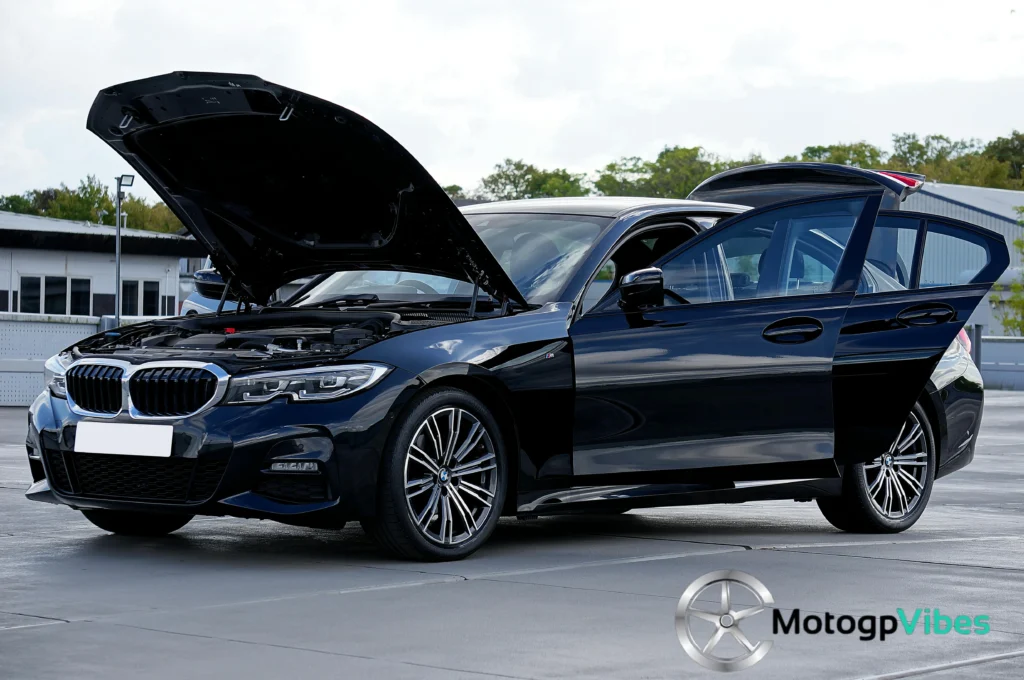
Choosing an electric vehicle (EV) over a traditional internal combustion engine (ICE) car involves more than replacing fuel with a battery; it’s a shift toward lower costs, better performance, and a cleaner lifestyle.
Electric Vehicle (EV) vs. Petrol/Diesel (ICE) Comparison
| Feature | Electric Vehicle (EV) | Petrol / Diesel Car (ICE) |
|---|---|---|
| Fuel & Running Costs | Huge Savings: Electricity is greatly cheaper than fuel per mile. | High Costs: affected by changing oil and gas prices worldwide. |
| Maintenance | Minimal: No oil changes, spark plugs, or timing belts; fewer moving parts. | Frequent: Requires regular engine, exhaust, and transmission servicing. |
| Performance | Instant Power: instant power for quick and smooth acceleration | Delayed Response: Power builds gradually as the engine speeds up. |
| Environmental Impact | Zero Tailpipe Emissions: No exhaust gases, helping make city air cleaner | High Emissions: Releases CO2 and pollutants every time you drive. |
| Driving Comfort | Silent & Smooth: Near-silent motor makes for a stress-free cabin. | Noisy & Vibrating: Constant engine noise and vibrations. |
| Braking Tech | Regenerative Braking: Recharges the battery and saves brake wear. | Wasted Energy: Braking energy is lost as heat through friction. |
| Refueling Method | At-Home Convenience: Charge overnight while you sleep. | Station Dependent: Must visit a gas station and wait in lines. |
Do electric cars use oil?
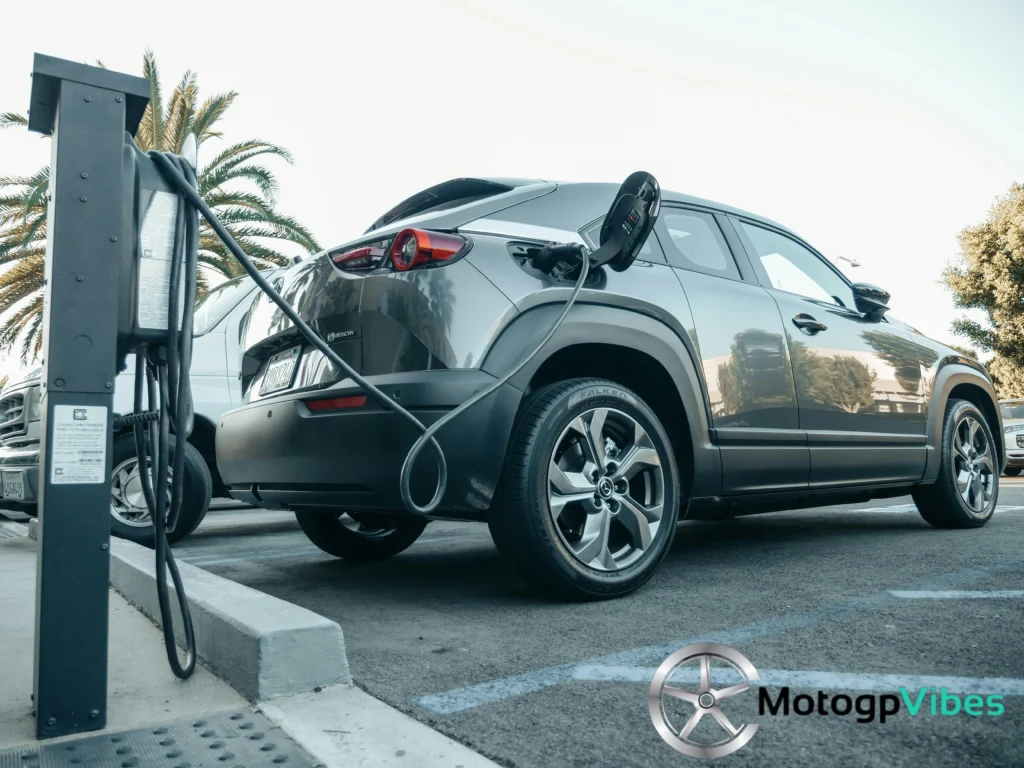
Electric cars (EVs) don’t need engine oil or oil changes because they don’t have internal combustion engines [1, 2]. Since they lack pistons and valves, there’s no need for traditional engine lubrication [2, 3]. However, some models still use transmission fluid or gear reducer oil to keep the drivetrain running smoothly, which may require occasional service [2, 4].
How much does it cost to charge an EV?
A common fully electric car offers a driving range of approximately 220 miles on a single charge. If you charge at home, this full recharge costs around £17, a much cheaper of fossil fuels. In comparison, covering that same 220-mile distance in a petrol or diesel vehicle can cost as much as £45, making EVs a significantly more cost-effective choice for daily driving.
How much does it cost to fully charge an EV battery?
| Cost Metric (Estimated) | Level 2 Home Charging | Public DC Fast Charging |
|---|---|---|
| Price per kWh | $0.18 | $0.47 |
| Full Charge (72 kWh) | $12.96 | $33.84 |
| Annual Fuel Cost | $693.72 | $1,811.38 |
How it works
An Internal Combustion Engine (ICE) generates power by starting a 15:1 air-fuel mixture, converting thermal energy into mechanical movement while producing exhaust pollution. This century-old technology relies on hundreds of complex moving parts that create significant noise and vibration. Because ICE engines only make maximum power in a small speed range, they require gears to maintain speed and continue burning fuel even while idling.
In contrast, Electric Vehicle (EV) powertrains instantly convert battery-stored electricity into torque to turn the wheels. With 90% fewer moving parts than traditional engines, EVs offer a smoother, more efficient, and lower-maintenance driving experience.
Conclusion
Electric vehicles (EVs) are important for a better future and a cleaner environment. The fast growth of the EV market is powered by government support, new technology, and better public awareness
Understanding how EVs work is the first step toward joining this environmentally friendly change. Whether you want to drive an EV, start an EV-focused business, or simply stay informed about clean energy trends, this changing technology is transforming how we move.
FAQs
Do electric cars recharge while driving?
While they don’t charge like a plugged-in vehicle, they use regenerative braking to recover energy. This innovative system captures kinetic energy normally lost during braking and converts it back into electricity to extend your EV driving range.
What is the most expensive part of an electric car?
The EV battery is the most expensive part of an electric car, which is the primary reason electric vehicle prices are often higher than traditional petrol or diesel cars. While the upfront cost of an EV is higher, the battery technology is the core investment that enables long-term savings on fuel and maintenance.

Zarmeen Rafiq is an automotive writer at MotoGPVibes who covers car reviews, buying guides, vehicle comparisons, and automotive news. She creates clear, well-researched content to help readers make confident and informed decisions.