Electric car charging time is the most common question. Standing at a charging station, the only thought is whether to grab a coffee or wait. There’s no single answer to EV charging time — it depends on the charger type, battery size, and weather. Sometimes it takes twenty minutes, sometimes forty hours. But once you understand the charging levels, the confusion disappears. Think of it like filling up with petrol, except it mostly happens while you sleep.
EV Charging Time: The Three Levels Explained
Every electric car charger is divided into three types. It’s easier to think of them as “charging speeds” rather than “charger types”. The higher the level, the more power will be sent to the battery per hour.
Level 1: The Slow and Steady Option
This is the most basic method. EV charging levels are considered the simplest. It involves plugging the vehicle directly into a standard 120-volt household outlet. This is the same outlet you would use for a toaster or mobile charger. There is no electrician, no installation, and no additional cost. Each EV comes with a cable that can be used right away.
The only problem is speed. Level 1 EV charging adds only three to five miles of range per hour. That means it can take thirty to fifty hours to fully charge a vehicle, depending on the size of the battery.
That may sound like a waste of time, but it is not. If you drive less than forty miles per day, which is about the average American commute, plugging the vehicle into a standard outlet overnight is considered sufficient. It is also considered a good backup option, even if you rely heavily on fast charging.
Level 2: The Sweet Spot for Home Charging
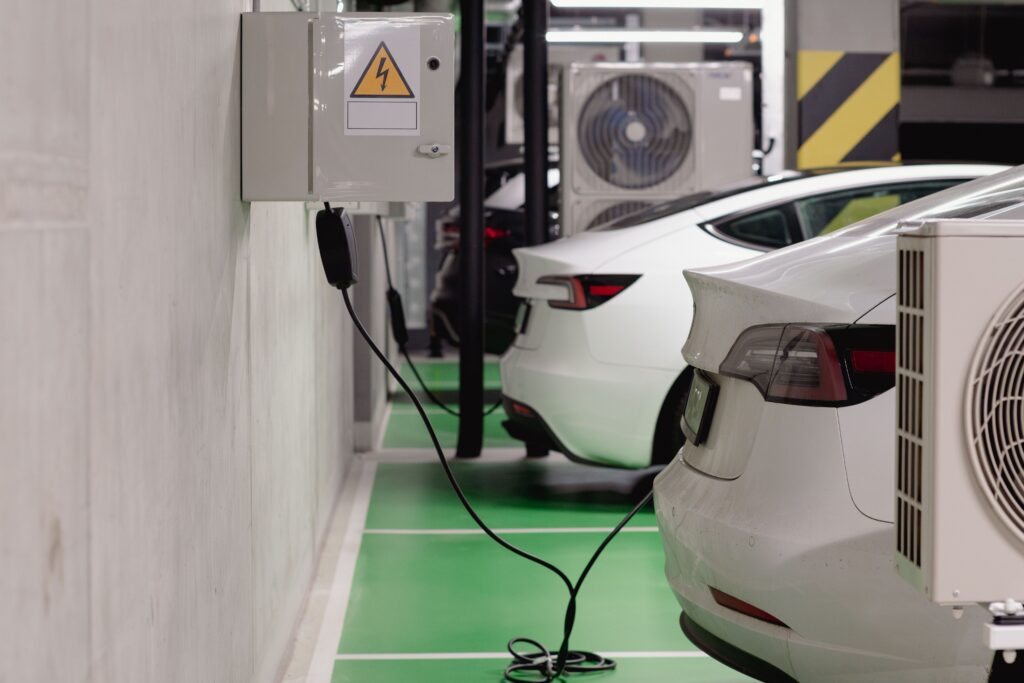
This is the approach that most EV owners eventually adopt, and for good reason. Level 2 EV charging uses a 240-volt circuit, the same type of connection you’d find in a clothes dryer or oven. Installing a home charging unit usually requires a licensed electrician, but once set up, the whole experience changes.
This level adds a range of twenty to forty miles per hour, meaning a full charge can be completed in about four to ten hours. Plug in the car when you get home from work, and the battery is full by morning. It’s really that simple.
This system is also often found installed in public places like malls, office parking lots, and hotels, because people tend to stay in those places long enough for that charging speed.
Level 3: DC Fast Charging for Road Trips
It’s called DCFC, and it’s considered a pit stop in the charging world. DC fast charging uses 400 volts or more of electricity. The vehicle’s onboard charger is removed from the middle, and direct current is delivered directly to the battery. This facility cannot be installed in homes because its machinery is expensive and requires a heavy electrical system. This is why these stations are usually set up on highways and busy roads.
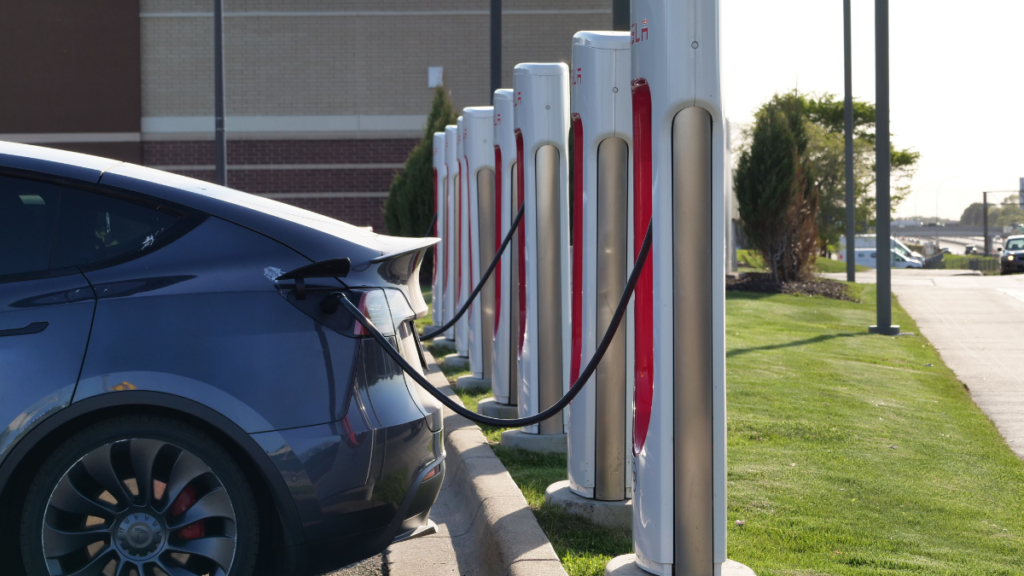
The real advantage lies in its speed. Fast EV charging charges most vehicles from ten to eighty percent in twenty to sixty minutes. For example, some models on Tesla’s Supercharger network add more than a hundred miles of range in just fifteen minutes.
However, after eighty percent, the charging speed is deliberately reduced. There is a specific reason behind this, which is really important to understand.
Why Charging Slows Down After 80%
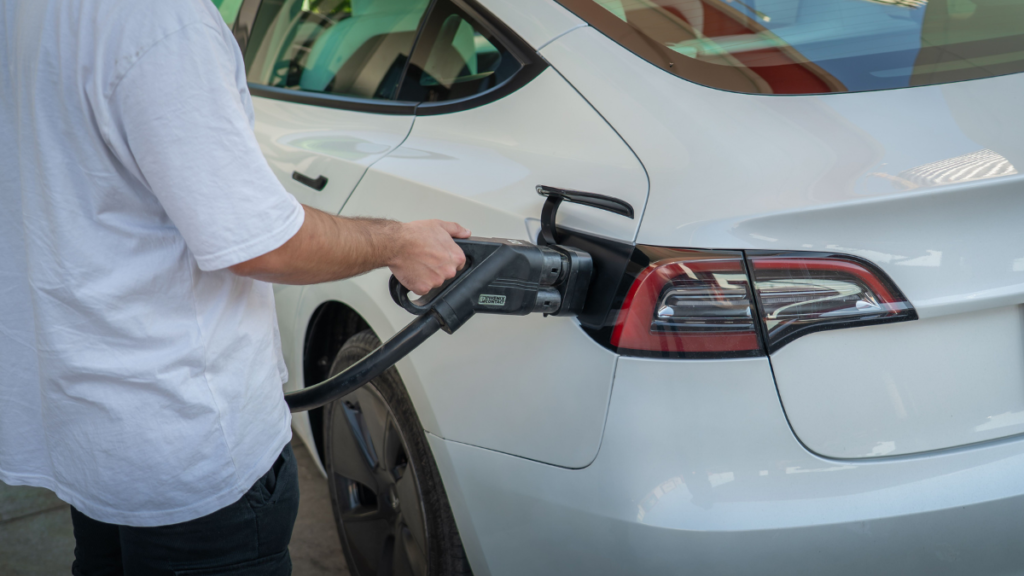
If you ever look closely at the fast charging process, you will see an interesting thing. The first fifty percent of the battery is filled in just fifteen minutes, but the last twenty percent is charged very slowly. This is not a defect, but is done intentionally so that the battery is safe.
Every modern EV uses a lithium-ion battery, and this battery accepts power quickly when empty. As the battery is filled, the internal resistance increases. Sending power at a high speed at this stage creates heat and pressure, which reduces the battery’s performance over time. This is why the vehicle’s system automatically reduces the charging speed so that battery health is maintained for a long time.
This is also the reason why those who are going on a long trip are advised to stop charging at this percentage and continue the journey. Wasting extra time for the remaining twenty percent is generally not considered beneficial.
What Actually Affects Your EV Charging Time
The type of charger is considered the biggest factor, but it is not the only one. EV charging time is also influenced by a few other factors that are important to understand.
Battery Size
The larger the battery size, the more energy it can store, and of course, the longer it will take to fill. A small EV with a 40 kWh battery will charge much faster on the same charger than a truck or SUV with a battery capacity of over 100 kWh.
How Empty the Battery Is
This is obvious but often overlooked. Charging from 20 percent to 80 percent takes much less time than fully charging an empty battery. In reality, very few people ever fully charge a battery, which is why everyday EV charging time is often less than the figures quoted for “full charging.”
Weather and Temperature
Winter weather has a really big impact on EV charging speed. When the weather is very cold, the battery needs to be warmed up first so that it can accept fast charging effectively. That’s why most EVs these days have a “preconditioning” feature, which warms up the battery before it reaches the charging station. Extreme heat can also slow down the speed, as the vehicle’s cooling system has to work harder to maintain the battery’s temperature.
The Vehicle’s Own Charging Limits
Not every EV accepts power at the same rate, even if the charger is exactly the same. Each vehicle’s battery management system has a specific maximum charge limit. That’s why even if two different EVs are plugged into the same 150 kW fast charger, they won’t necessarily charge at the same rate. One vehicle can stop at just 100 kW, because that’s its limit.
Home Charging vs. Public Charging: Which Should You Use?
Most EV owners will automatically adopt a simple setup over time:
- Level 2 charging at home is considered sufficient for everyday travel. The vehicle is plugged in at night and ready by morning.
- Level 1 charging overnight works well for light travel if there is no charger at home.
- Fast charging is considered the best choice for long journeys or road trips, during which you can eat or take a break.
Companies generally recommend prioritizing Level 2 for everyday use, while fast charging is advised to be used only when necessary, as its frequent use can put a strain on the battery. Occasional fast charging is perfectly safe; the problem arises only from relying on it daily.
A Quick Real-World Comparison
To give an idea, here is an example based on a mid-sized EV with a battery between 60 and 75 kWh:
- Level 1 charging: A full charge takes thirty to fifty hours or more.
- Level 2 charging: A full charge takes four to ten hours.
- DC fast charging: It takes just twenty to sixty minutes to reach eighty percent.
Smaller batteries charge faster at each level, while larger batteries, especially in electric trucks and SUVs, take longer at each level.
Tips to Charge Smarter, Not Just Faster
A few small habits can improve your daily EV charging experience:
- If the power company offers discounted rates for charging at night, it is both cheaper and easier.
- Instead of always charging the battery to 100%, keep it between 20 and 80%. This range is both faster and safer for the battery.
- If the vehicle allows it, precondition the battery before fast charging, especially in winter.
- Don’t wait for the battery to run out. Whenever possible, the vehicle can be plugged in while parked.
- To extend the battery’s lifespan, DC fast charging should only be used during travel, not in everyday life.
Conclusion
There is no single answer to EV charging time; the right charging level is chosen according to daily needs. Slow charging at home overnight is sufficient for normal travel, while fast chargers are used only when you need to go on a quick trip. Once it becomes a routine, this process feels easier than filling up with petrol; just plug it in when you get home and forget about it until morning. It is useful to refer to the vehicle manual when choosing a charger level, as charging speed can vary by model, even within the same battery category.
FAQs
1. How long does it take to fully charge an electric car at home?
A vehicle can be charged in 4 to 10 hours on a Level 2 home charger, so overnight charging is considered optimal. The same time can take more than thirty hours on a normal household plug, i.e., Level 1.
2. How long does it take to charge an electric car at a fast charging station?
DC fast chargers charge most EVs from ten to eighty percent in just twenty to sixty minutes. After eighty percent, the speed slows down significantly, as the battery management system protects the battery from stress, so most drivers stop charging there rather than wait for a full one hundred percent.
3. Does charging an electric car overnight hurt the battery?
No, charging overnight on a Level 2 home charger is actually considered the safest method for the battery. The real stress comes from using fast charging repeatedly. Occasional use is fine, but daily reliance can shorten the life of the battery more quickly than slow charging.

Zarmeen Rafiq is an automotive writer at MotoGPVibes who covers car reviews, buying guides, vehicle comparisons, and automotive news. She creates clear, well-researched content to help readers make confident and informed decisions.