Driving an electric car every day and not spending a single rupee on fuel is no longer a dream. It has become possible when an electric car charging system with Solar Panels is installed at home. Electricity prices are constantly being increased. At the same time, electric vehicles are being rapidly adopted. For these two reasons, solar charging is being considered a smart and reliable investment in 2026.
What Does Electric Car Charging with Solar Panels Actually Mean?
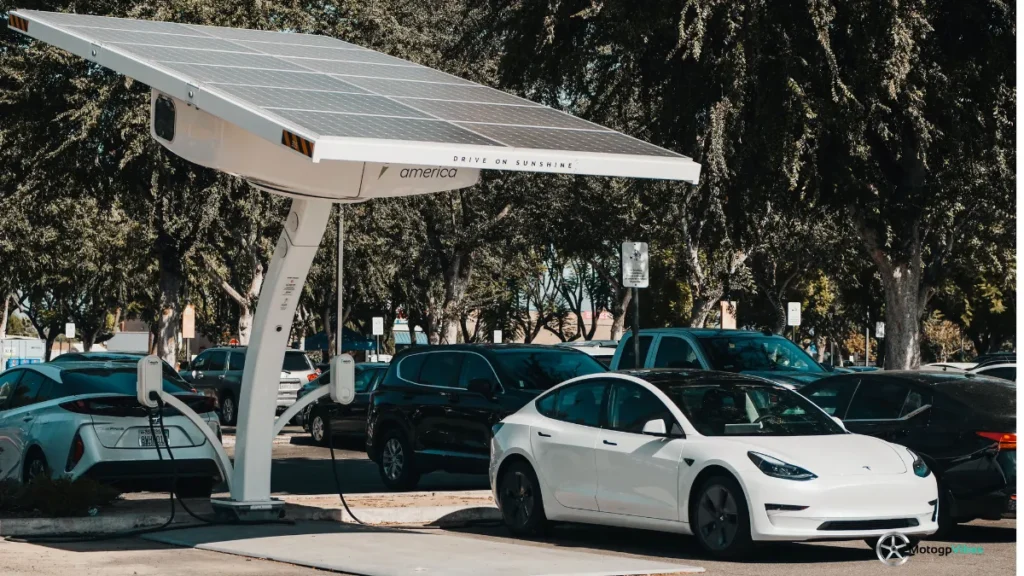
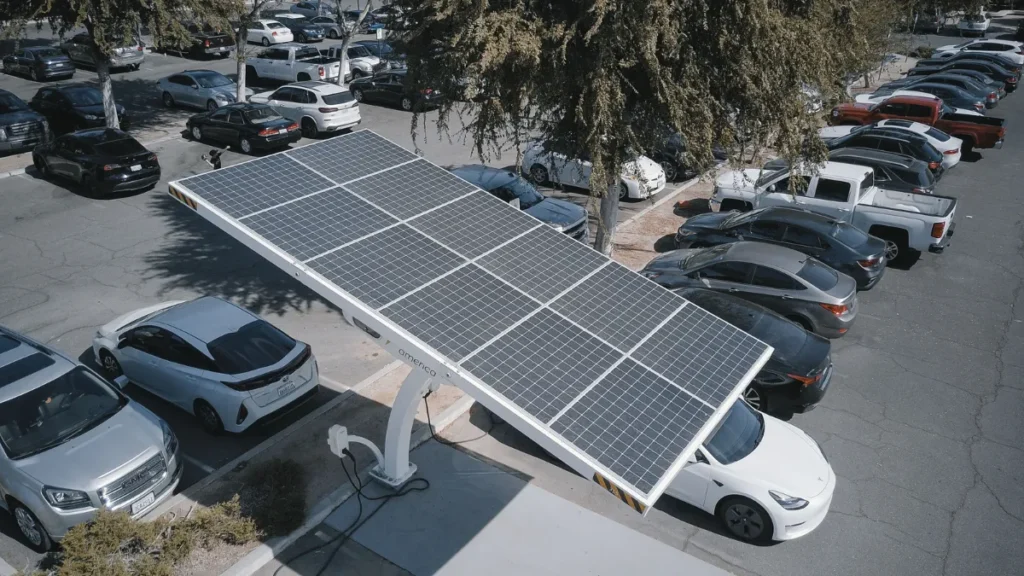
Charging an electric car with solar panels is simple. The energy from the sun is captured by panels on the roof, or by a ground-mounted solar system. This energy is then fed to the home’s EV charger. This eliminates the need for grid power.
Solar panels convert sunlight into DC electricity. This is then converted into AC electricity by an inverter. During the day, this electricity is used directly to charge the car. When not needed, it is stored in the home battery.
How the System Works, Step by Step
- Solar panels absorb sunlight. This produces DC electricity.
- An inverter converts the DC electricity into AC electricity. This is the electricity that the home and charger can use.
- A smart EV charger usually delivers Level 2 electricity directly to the car.
- If the solar power is too much and not used, it is stored in the home battery. Or, depending on the type of system, it is sent back to the grid.
Some modern systems also include a “solar diverter.” As soon as the solar panels start to produce more electricity than the home needs, this excess power is automatically diverted to the car. As a result, the electric car is charged for free without having to touch a switch.
Why More EV Owners Are Switching to Solar Charging
There’s a reason this combination is trending in 2026, and it’s not just about saving money.
Lower Long-Term Electricity Costs
Solar panels absorb sunlight. This process produces DC electricity.
Once the cost of the solar system is covered, charging a car costs almost nothing. For those who travel 30 to 40 kilometers per day, this savings can reach thousands of rupees per year compared to grid charging or petrol.
True Environmental Impact
If an electric car is charged from a coal-fired grid, it is not considered as clean energy as is commonly believed. But when the same car is charged from solar panels, the difference disappears completely. In this case, truly renewable energy is used, not just exhaust fumes are prevented.
Energy Independence
Power outages and rising prices often worry households. But when a battery is installed along with a solar system, the car continues to charge even when the grid is not cooperating.
Increased Property Value
A home that already has solar panels and an EV charging system installed does not require a new setup. This saves time, as well as initial costs.
How Many Solar Panels Do You Need to Charge an Electric Car?
This is the most searched question. Most articles don’t give a clear answer. Here’s the real calculation:
- A typical electric car uses about 0.3 kWh of electricity per kilometer.
- For a daily 40-kilometer drive, about 12 kWh of charging is required.
- A typical 400-watt solar panel, in adequate sunlight, produces about 1.6 to 2 kWh of electricity per day.
By this calculation, about 6 to 8 additional solar panels are needed for the car alone in addition to the home’s current power needs. If a new system is installed for both the home and the car, most homes would need 15 to 25 panels. This number depends on the roof space, hours of sunlight, and driving habits.
Factors That Change This Number
- Car efficiency: A small electric car requires less electricity than a large electric SUV.
- Daily commute distance: Short city commutes require fewer panels than long commutes.
- Area sunshine hours: In areas with more sunshine, fewer panels are sufficient for the same amount of power.
- Panel wattage and efficiency rating: Using more efficient panels means fewer panels can be used.
Cost of Setting Up Solar Charging for Your EV
People searching for electric car charging solar panels usually want real numbers, not marketing hype.
| Component | Typical Cost Range |
|---|---|
| Solar panel system (6–8 panels for EV) | Varies widely by region and installer |
| Level 2 home EV charger | Mid-range investment, one-time cost |
| Inverter and wiring | Part of overall solar installation |
| Home battery (optional) | Adds cost but enables night charging |
Investment in 5 to 8 years, just from fuel savings. Many areas also offer tax credits or rebates, which can further reduce this period. It’s a good idea to check local government incentive programs before installing, as these can significantly reduce the net cost.
Can Solar Panels Charge an EV Directly, or Do You Need a Battery?
Direct charging is suitable when most of the charging is done during daylight hours. For example, if you work from home, or charge your car on a weekend vacation. In this case, the power is delivered directly from the panels, via an inverter and charger, to the car.
Battery storage becomes important when charging is done at night, or when your driving schedule does not match the hours of sunlight. The excess solar energy generated during the day is stored in the battery. This way, the car continues to charge on solar power even after sunset, without grid power.
If the budget allows only one upgrade, solar-EV charger integration should be prioritized. The battery can be added later.
Does Solar EV Charging Work in Winter or Cloudy Weather?
Yes, but the output is reduced. Even on cloudy days, solar panels continue to generate electricity. However, depending on the density of the clouds, this output is reduced to about 10 to 25 percent of maximum capacity. In winter, due to less daylight, the total daily output is also reduced.
This does not mean that solar charging fails in winter. The fact is that the system produces less electricity. That is why, on days with less sunshine, many people make up the shortfall with grid power, while the rest of the year, the benefit of free solar charging remains. By keeping the system slightly larger than necessary, the effect of seasonal decline is reduced.
Best Practices for Setting Up Solar-Powered EV Charging
- First, get a solar assessment done. Roof angle, shade, and orientation all affect actual output.
- Choose a smart charger that is compatible with solar output and doesn’t draw power from the grid unnecessarily.
- Size the system not just for the current car, but for future needs. Especially if you plan to add a second electric car in the future.
- Consider time-of-use rates. If full charging isn’t possible with solar, charging from the grid during off-peak hours can also save money.
- Maintain the panels. Regular cleaning and inspection keep output close to rated capacity.
Is Electric Car Charging with Solar Panels Worth It
For most households that own or plan to buy an EV, the answer is yes. Especially if both the car and the home are to be kept for several years. The system pays for itself in fuel savings. It also protects against rising electricity prices. The reduction in carbon footprint is also much greater than that of grid charging.
However, it is not suitable for everyone. Renters, residents of less sunny areas, or those moving soon may not be able to achieve the desired payback period. However, for long-term homeowners, it is a very practical step on the journey to EV ownership today.
Conclusion
Charging an electric car with solar panels isn’t just a buzzword. It’s a real way to cut fuel costs, reduce grid dependency, and travel on clean energy. Whether you’re just researching or have already decided to install a system, understanding the real numbers like panel count, cost, and seasonal performance can help you make better decisions.
Solar technology is improving. EVs are also on the rise. That’s why this combination is quickly becoming the new standard for smart and sustainable car ownership.
FAQs
1. How many solar panels do I need to charge my electric car?
Most EV owners need about 6 to 8 dedicated solar panels to meet their daily charging needs. This number depends on the efficiency of the car and the distance traveled daily.
2. Can I charge my EV directly from solar panels without a battery?
Yes, direct charging works well if charging is done mostly during daylight hours. The battery is only necessary when charging consistently at night.
3. Is solar EV charging cheaper than grid charging in the long run?
Yes. After the initial setup costs are met, solar charging is much cheaper than grid electricity, because the sun itself is free.

Zarmeen Rafiq is an automotive writer at MotoGPVibes who covers car reviews, buying guides, vehicle comparisons, and automotive news. She creates clear, well-researched content to help readers make confident and informed decisions.