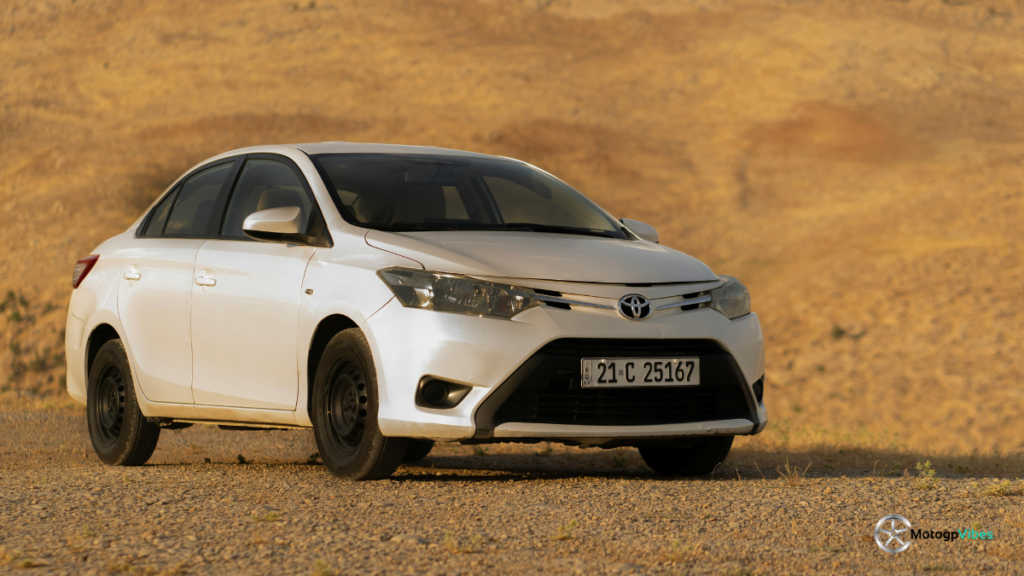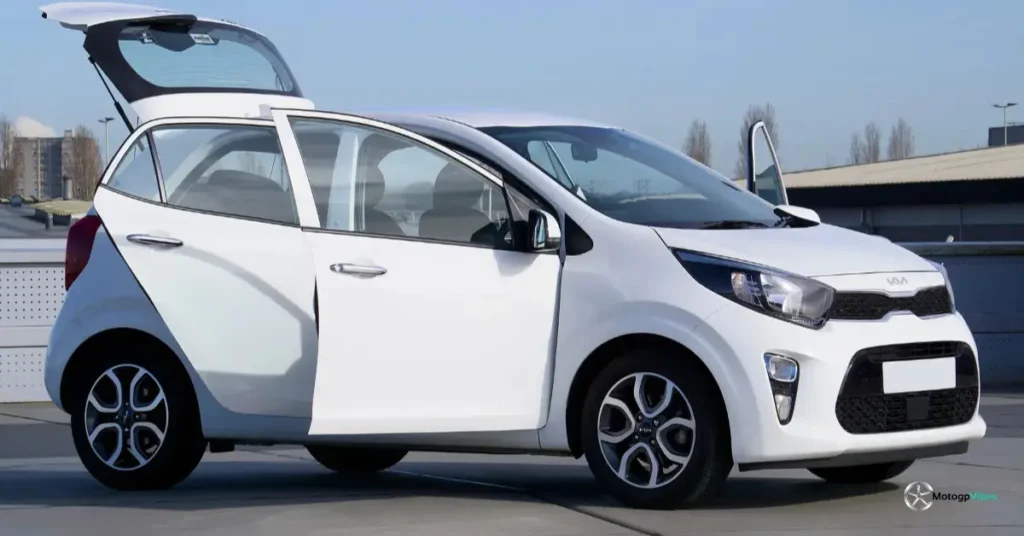
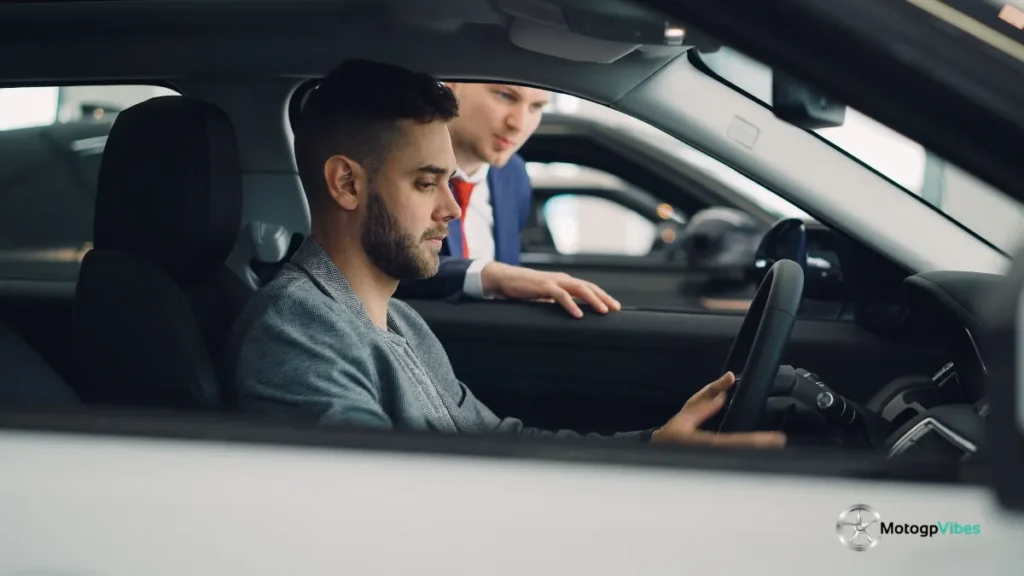
Buying a car, new or used, is considered the biggest purchase in Pakistan after a house or plot. Most buyers spend time on the color and features, but do not take the time to properly test drive the car. However, a complete car test drive checklist is the only thing that can uncover hidden problems like clutch, engine, or suspension before registration. This is why a test drive should not be considered a formality, but a decisive step, be it a new hatchback or a 2016 model sedan from a used car lot in Lahore, Karachi.
Before You Start: Pre-Drive Checks
Don’t even sit in the driver’s seat until you’ve walked around the car once.
Body and Panels: Check the gaps between the doors, bonnet and boot. If the gaps are not uniform, or the paint colour is slightly different, this could be a sign of an accident repair. This problem is seen in both imported and locally assembled vehicles.
Tyres: Check the tread depth and wear pattern. If the tyre is worn more on the inside or outside, there is a possibility of an alignment or suspension problem. Also check the brand and age of all four tyres. If different tyres are seen on a “low mileage” vehicle, this is a warning sign.
Documents First: Ask for the registration book. In the case of a used car, CPLC verification (in Sindh) or excise clearance should also be checked.
Fuel and mileage reading: Note the fuel gauge and odometer reading before departure, especially in used cars, where odometer tampering is not uncommon.
Inside the Cabin: What to Inspect

Do not rush to start the engine as soon as you sit in the driver’s seat. Spend the first two minutes just sitting and examining the vehicle.
Seat and Driving Position: The seat should be adjusted to its normal seating position. If the fabric or leather shows wear beyond the stated mileage, it is suspicious.
Dashboard and Controls: Without starting the engine, turn the ignition to accessory mode. Each warning light should illuminate for a few moments and then turn off. If the airbag or ABS light remains illuminated, contact the dealer immediately.
AC Performance: This is the most important check in Pakistan’s climate. With the vehicle stationary, run the AC on full cooling for at least five minutes. You should feel a noticeable cooling sensation within 60 to 90 seconds. If the cooling is slow, there may be a compressor or gas problem, which can be costly later.
Infotainment and Electronics: The horn, all four power windows, central locking, and infotainment screen (if present) should be tested. If the power window operates intermittently or with noise, the regulator may need to be replaced soon.
On the Road: What to Test
This is the part most buyers rush, and it’s where the real information is.
Steering and Brakes
While driving straight, let the steering wheel loose. The vehicle should not lean to one side. At low speed, turn full lock in both directions and listen for the sound — a clunking sound is often a sign of a worn CV joint. On an open road, brake at about 40 km/h. The vehicle should stop straight, without any pulling or vibration in the pedal.
Acceleration and Suspension
Accelerate the vehicle quickly from a standstill and watch for any bumps or hesitation, especially in used automatic vehicles. Go over the speed breaker slowly. A slight noise is considered normal, but a constant rattling noise could be a sign of worn suspension bushings or shocks.
Check for noise at speed
This is a tip that is often overlooked in most guides: listen especially at speeds between 40 and 60 km/h with the radio off and the windows slightly down. In the mixed conditions of Pakistani roads, wheel bearing noise, loose heat shields, and CV joint wear are evident at this speed.
Gear shifting — manual and automatic
In a manual car, check the clutch bite point. It should not be too high, nor too soft. There should not even be a burning smell after changing a few gears. In an automatic car, gear shifts should be smooth, without jerks or delays. If a used automatic gearbox “hunts” reluctantly, repairs are expensive — it is best to stay away from such a car.
Engine & Under-the-Hood Checks
The bonnet should be opened not just once, but both before and after driving.
Check the engine oil level and colour on the dipstick before starting the vehicle. The colour should be amber or light brown, not black and dirty. After 15 to 20 minutes of driving, pay attention to the smoke coming out of the exhaust. White smoke from a hot engine can be a sign of a head gasket problem, while blue smoke indicates oil burning in the engine.
Listen to the engine at idle with the bonnet open. A healthy engine has a uniform and consistent sound. If you hear a ticking or knocking sound, it is important to have the vehicle checked by a mechanic before buying it.
Test Driving a Used Car vs New Car
A test drive of a new car is mostly limited to checking fitment and feel, as manufacturing defects are rare and are covered by the warranty. The real focus here is on comfort, visibility, and the car’s own personality.
A test drive of a used car is a completely different matter. The goal here is not just to check performance, but to check the history of the car. Every noise or hesitation can indicate old damage or neglected maintenance. This is why it is considered essential to have a drive-through inspection by an independent mechanic before final payment.
Common Mistakes Buyers Make During Test Drives

- Driving in the same conditions: Stick to smooth main roads, and ignore rough roads, U-turns, and reverse parking.
- Leaving the radio on: This drowns out the sounds that are most important to hear.
- Releasing reverse gear and handbrake: These two are often overlooked, especially the handbrake’s holding capacity on slopes.
- Rushing the salesperson’s pressure: A serious salesperson will give you 20 to 30 minutes. If rushed, that in itself is a warning sign.
- Not taking a second test drive: A short second drive after the price has been agreed upon can reveal issues that were missed the first time around due to panic.
Final Checklist: Quick Recap
- Walk around the vehicle and check for panel gaps and tire wear
- Verify registration book and ownership documents
- Note fuel level and odometer reading
- Turn on ignition and check dashboard warning lights
- Test AC cooling for at least 5 minutes
- Check power windows, locks, and horn
- Drive straight and check steering pull
- Feel vibration by braking from 40 km/h
- Pay special attention to noise between 40 and 60 km/h
- Check clutch bite point (manual) or shift smoothness (automatic)
- Check engine oil color before driving
- Check exhaust smoke after 15 to 20 minutes of driving
- Test reverse gear and handbrake on a slope
Conclusion
A test drive isn’t just a five-minute spin around the street. It’s a systematic inspection that can save you from costly mistakes down the road. Whether you’re looking to buy a new hatchback or secure a deal on a five-year-old sedan, this car test drive checklist gives you the confidence to make a decision based on facts, not first impressions.
Before you make any final decisions, be sure to read our detailed used-car inspection tips and complete car-buying checklist — especially if you’re still deciding whether to buy a new or used car on a budget.
FAQs
How long should a car test drive last?
A minimum of 20 to 30 minutes of driving is required, including smooth roads, rough roads, speed bumps, and U-turns. For a used vehicle, a short second drive should be requested after the price has been agreed upon. Buyers often overlook minor issues like a slight rattle the first time around.
Is it okay to test drive without a mechanic present?
Your own checklist for a new vehicle is generally considered sufficient, as defects are covered under warranty. In the case of a used vehicle, it is better to take a mechanic along if possible. Problems such as early engine wear or a chassis straightened after a crash can often be caught by a trained eye.

Zarmeen Rafiq is an automotive writer at MotoGPVibes who covers car reviews, buying guides, vehicle comparisons, and automotive news. She creates clear, well-researched content to help readers make confident and informed decisions.