If your car’s engine is overheating repeatedly, don’t ignore it. Car Overheating? High temperatures put extra stress on the engine and can cause major damage over time. If the problem is not addressed in time, the head gasket can be damaged, the cylinder head may be affected, or the engine may even shut down completely. The good news is that this problem can be easily avoided with regular maintenance and timely action. This not only protects the engine but also improves the performance of the car, and can also avoid expensive repair costs. In this article, you will learn why your car is overheating, what to do in such a situation, how to solve the problem, and what simple habits can help keep your car cool.
How a Car Cooling System Works
Gasoline engines have improved a lot compared to before, but they still cannot convert all the energy of the fuel into power. A large part of the energy is produced in the form of heat, which is controlled by the cooling system. If this system does not work properly, the engine starts to heat up quickly. Due to excessive heat, the engine’s efficiency decreases, parts start to wear out quickly, and fuel consumption also increases. If this problem is ignored, the head gasket can be damaged, the cylinder head can be affected, and in severe cases, the engine block can also be damaged.
What Causes Car Overheating?
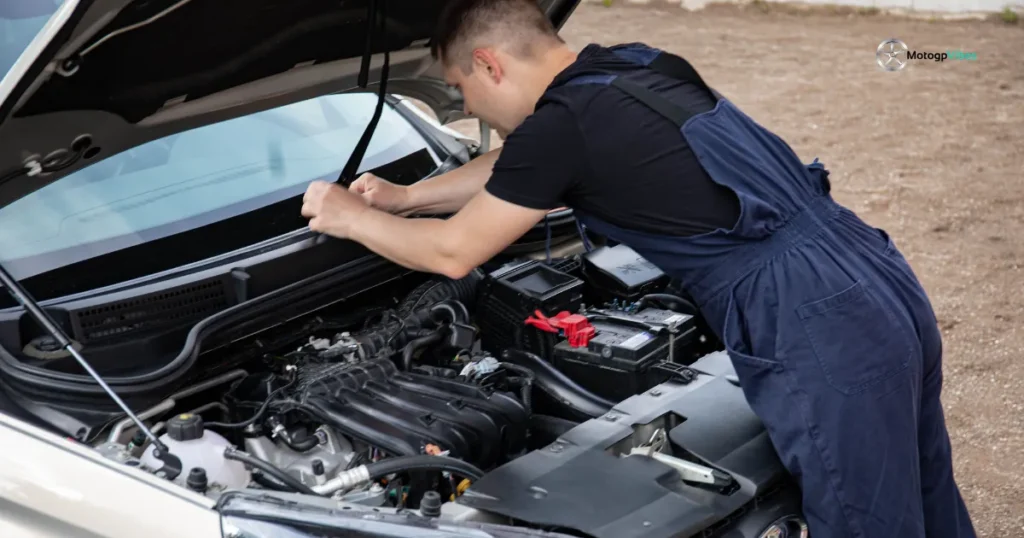
In most cases, the cause of an engine overheating is a blockage in the coolant flow or a decrease in airflow. These are the common problems that often cause a vehicle engine to overheat.
Common Reasons Behind the Problem
The reason for car overheating is not always the same. Sometimes there is a fault in some part of the vehicle, and sometimes external conditions cause the problem. Let’s understand these common reasons one by one.
Low Coolant Level
Low coolant is one of the most common reasons for an engine to overheat. The cooling system uses coolant to reduce excess heat in the engine. When the coolant level is low, this function cannot be performed properly. This causes the engine temperature to rise rapidly. If not addressed in time, important engine components can be affected. Therefore, check the coolant level regularly and top it up immediately if necessary.
Faulty Thermostat
A faulty thermostat is also a common cause of a car overheating. It controls the flow of coolant to keep the engine at the proper temperature. When the thermostat is not working properly, the flow of coolant is affected. This causes heat to accumulate inside the engine. If you hear unusual noises coming from the front of the engine or see coolant leaking, this could be a sign of a problem. In such a case, it is better to replace the thermostat on time to prevent further damage to the engine.
Radiator Problems
A clogged or damaged radiator can also be a major cause of car overheating. When debris accumulates in the radiator or becomes blocked, the cooling system does not work properly. In such a case, heat cannot be easily dissipated. You will often see that the temperature of a car parked in traffic increases, but returns to normal when the speed increases. This can be a clear sign of a malfunction in the radiator. To avoid this problem, it is very important to clean the radiator and maintain it regularly.
Cooling Fan Failure
If the engine is overheating but the coolant level is full, the problem may lie elsewhere. Often, such a fault occurs in the radiator, cooling fan, or other components of the cooling system. Due to this, the engine cannot cool properly even though there is coolant. It is not easy to find the exact cause of such a fault. Therefore, it is better to have the vehicle checked by a qualified mechanic instead of driving it yourself. This can prevent major damage and unnecessary expenses.
Water Pump Failure
A bad water pump is also a common cause of engine overheating. The water pump circulates the coolant throughout the cooling system to keep the engine cool. When it doesn’t work properly, coolant flow is affected. This causes the engine temperature to rise rapidly. If the engine makes unusual noises, leaks coolant, or has a pulley problem, this could be a sign of a water pump failure.
Blown Head Gasket
A bad head gasket is also one of the main reasons for engine overheating. The engine is already operating at a very high temperature. When the temperature exceeds the limit, the head gasket can be affected. Its damage affects both the engine pressure and the cooling system. Sometimes, severe detonation or high pressure can also cause this problem. If this problem is ignored, serious damage to the engine can occur.
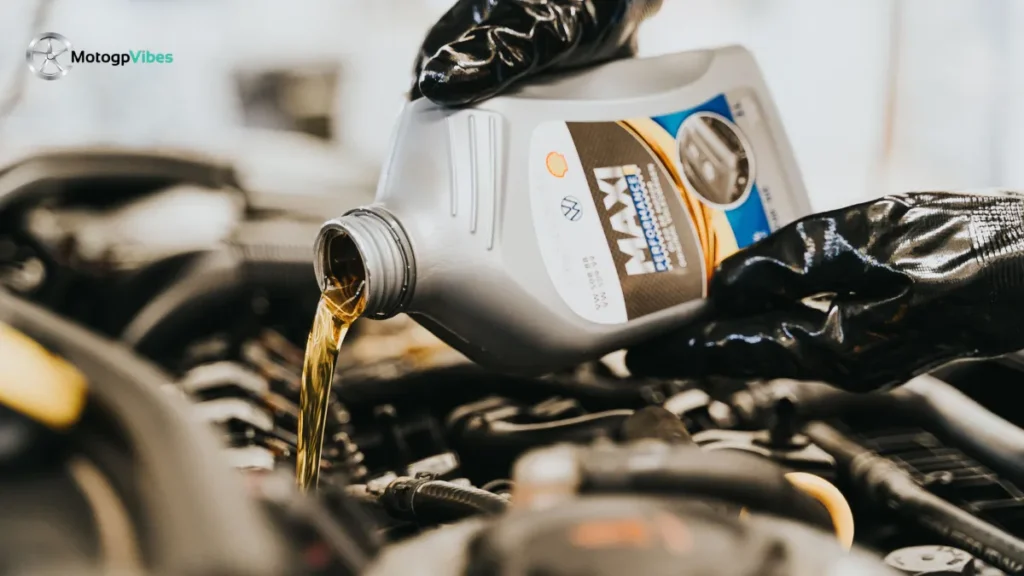
Low Engine Oil
Low or dirty engine oil is also a common cause of an engine overheating. Engine oil reduces friction between parts and helps control excess heat. When the oil is low or loses its condition, parts rub against each other more. This causes the engine temperature to rise. If this problem is ignored, parts can wear out quickly, the risk of leaks increases, and ultimately, the engine can suffer major damage.
Coolant Leak
Coolant leaks are also a common cause of engine overheating. To fix this problem, it is important to first identify the source of the leak. In some cases, temporary solutions are possible, but the permanent solution is to replace the faulty part. If your vehicle smells sweet, emits steam, or shows signs of coolant, don’t ignore it. Even a small leak can affect the performance of the cooling system and cause the engine to overheat.
Driving in Extreme Heat or Heavy Traffic
Extreme heat can also be a major cause of a car overheating. Driving in high temperatures puts extra strain on the engine. This strain increases if the vehicle is loaded with heavy cargo or is driven for long periods of time. In such a case, the cooling system has to work harder. If there is already a minor problem, it can quickly become a major problem. That is why it is important to pay special attention to the condition of the vehicle during the hot season.
What to Do If Your Car Starts Overheating
If your car’s engine starts to overheat, instead of panicking, take quick and proper action. This can prevent further damage to the engine:
- Shut off the engine immediately: This will not generate more heat and will help prevent major damage to the engine.
- Get regular servicing of the cooling system: Timely maintenance makes it easier to avoid such problems and gives better engine performance.
- Turn off the A/C: This reduces the extra stress on the engine and gives it a chance to cool down quickly.
- Drive Only When Necessary: If it is necessary to move the vehicle, keep a slow speed. Also, keep an eye on the temperature gauge. If the temperature rises again, stop the vehicle immediately.
Easy Fixes for Car Overheating
- Turn off the A/C.
- Turn on the heater.
- Park the vehicle in a safe place.
- Turn off the engine and let it cool for 15 minutes.
- Contact a mechanic if necessary.
- After the engine has cooled, check the coolant and add if necessary.
Conclusion
If your engine starts to overheat, never ignore it. Stop the vehicle in a safe place immediately and let the engine cool down. If the problem persists, have the vehicle checked by a qualified mechanic. Failure to pay attention in time can damage the head gasket or other important engine parts. Understanding the causes and early warning signs of car overheating can help you prevent serious engine damage and avoid unnecessary repair costs, keeping your vehicle running safely and efficiently.
FAQs
What are three simple things to check if your car is overheating?
If the engine overheats, immediately stop the vehicle in a safe place and turn off the engine. Wait at least 30 minutes before opening the bonnet to allow the engine to cool down and avoid burns.
When the engine has completely cooled down, be sure to check these three important things:
- Coolant Level
- Radiator Cooling Fans
- Drive Belts
How long can overheating last?
Symptoms of heat exhaustion usually begin to improve within 30 to 60 minutes after resting in a cool place and drinking water. However, fatigue, weakness, or headache can sometimes persist for 24 to 48 hours.
How to fix an overheating car permanently?
If your car is overheating repeatedly, don’t just rely on temporary solutions. It’s important to find the root cause and replace the faulty part. In most cases, this problem is caused by a faulty thermostat, coolant leak, radiator fan, clogged radiator, or a faulty water pump.

Zarmeen Rafiq is an automotive writer at MotoGPVibes who covers car reviews, buying guides, vehicle comparisons, and automotive news. She creates clear, well-researched content to help readers make confident and informed decisions.